Common Payment Fraud Schemes in 2024: What Financial Institutions Need to Know
Explore the most prevalent payment fraud schemes targeting financial institutions in 2024 and learn how to protect your organization and customers.
 Research Team
Common Payment Fraud Schemes in 2024: What Financial Institutions Need to Know
The payment fraud landscape continues to evolve rapidly, with cybercriminals developing increasingly sophisticated schemes to exploit vulnerabilities in financial systems. As we navigate through 2024, financial institutions must stay ahead of these emerging threats to protect both their organizations and their customers.
Top Payment Fraud Schemes of 2024
1. Account Takeover (ATO) Attacks
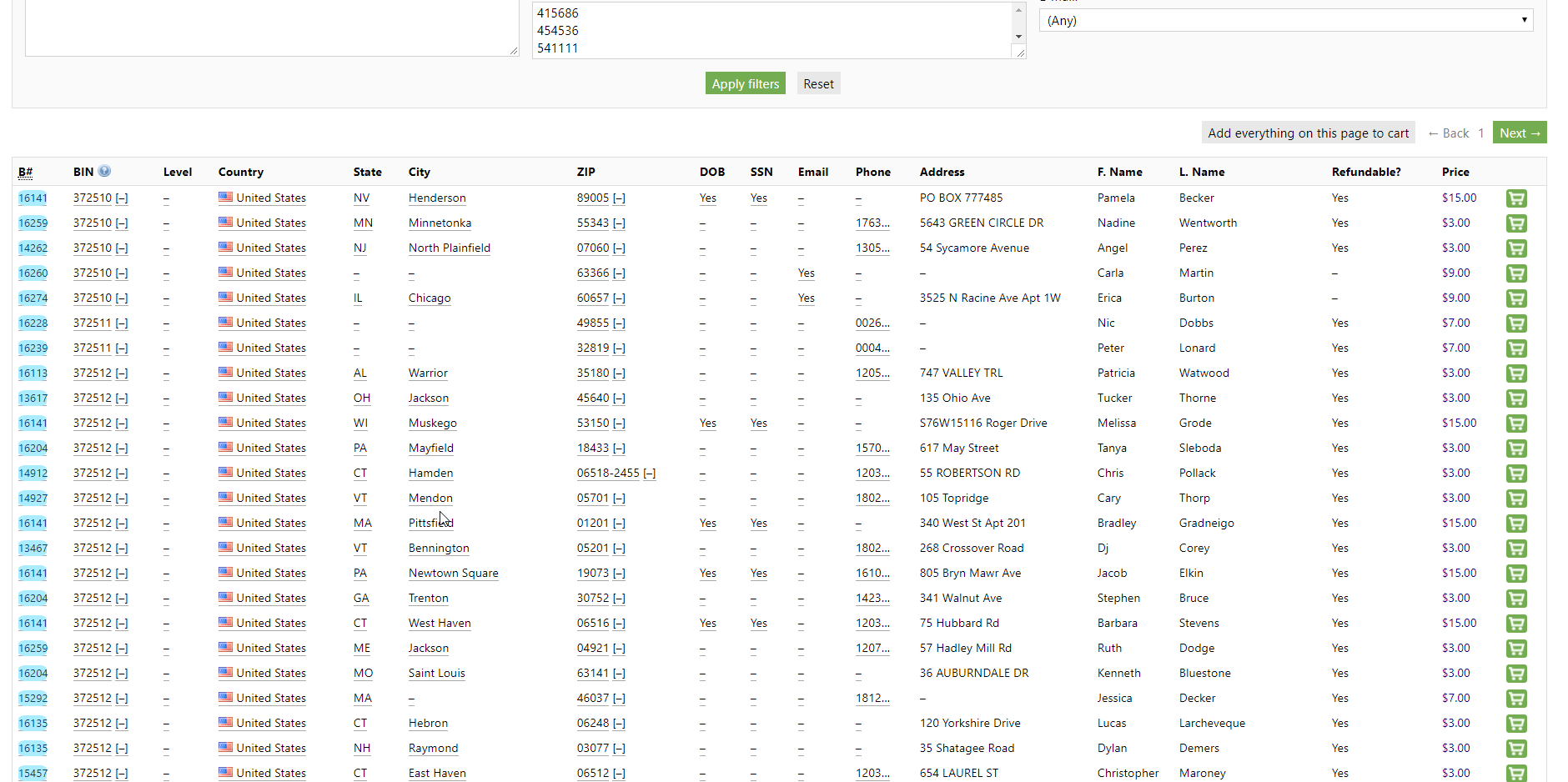
Account takeover has become one of the most damaging forms of fraud, with losses increasing by 125% year-over-year.
How it works:
- Fraudsters obtain legitimate customer credentials through data breaches or phishing
- They gain access to accounts and change contact information
- Fraudulent transactions are made before customers realize their accounts are compromised
Prevention strategies:
- Multi-factor authentication (MFA)
- Behavioral analytics to detect unusual login patterns
- Device fingerprinting and geolocation tracking
2. Synthetic Identity Fraud
This scheme combines real and fabricated information to create new identities that don't belong to any real person.
Key characteristics:
- Uses legitimate Social Security Numbers with fake names and addresses
- Takes months or years to develop credit history
- Extremely difficult to detect using traditional verification methods
Detection methods:
- Advanced identity verification algorithms
- Cross-referencing multiple data sources
- Monitoring for inconsistent identity patterns
3. Card-Not-Present (CNP) Fraud
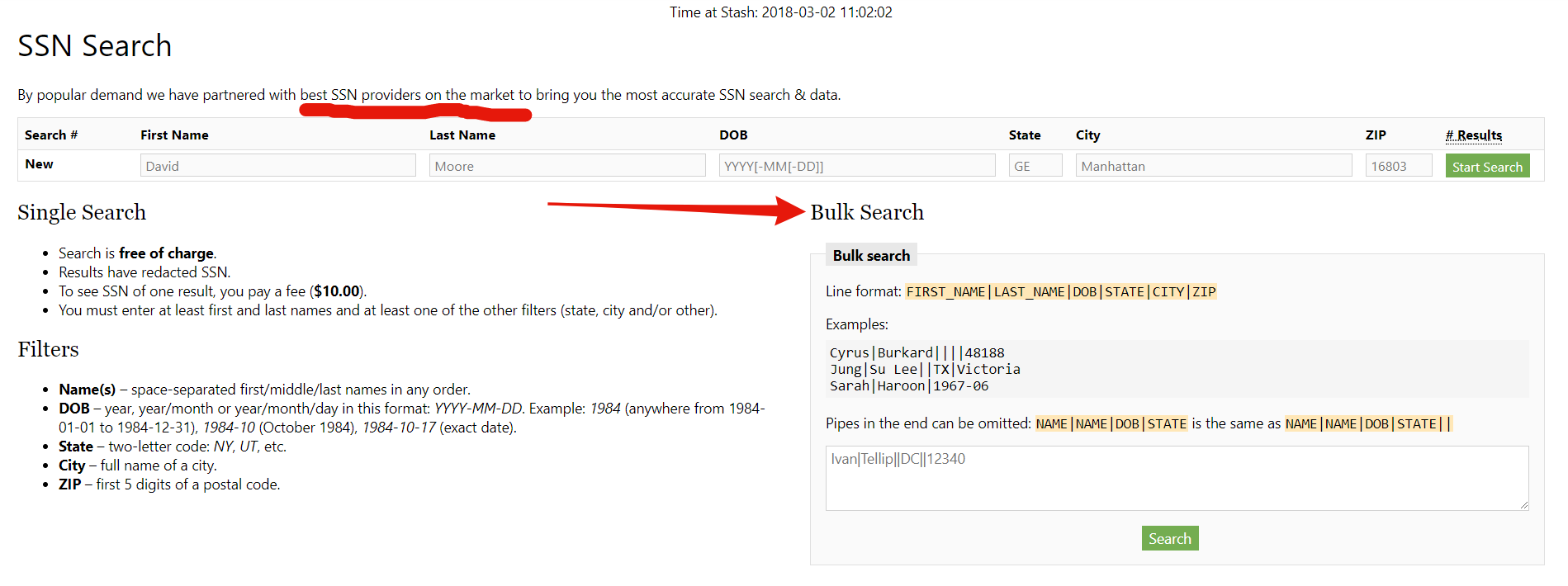
With the increase in e-commerce transactions, CNP fraud has skyrocketed, accounting for over 60% of all card fraud losses.
Common tactics:
- Using stolen card data for online purchases
- Exploiting weak authentication in e-commerce sites
- Testing card validity on low-value transactions
Protection measures:
- 3D Secure authentication
- Address Verification System (AVS)
- Real-time transaction monitoring
4. Business Email Compromise (BEC)
While not traditionally considered payment fraud, BEC attacks targeting financial processes have increased significantly.
Typical scenarios:
- CEO fraud targeting finance departments
- Vendor email compromise for payment redirection
- Payroll diversion schemes
Prevention tactics:
- Employee training and awareness programs
- Email authentication protocols (DMARC, SPF, DKIM)
- Multi-person approval processes for large transactions
Emerging Threats to Watch
AI-Powered Social Engineering
Fraudsters are using artificial intelligence to create more convincing phishing emails and voice clones for phone-based attacks.
Cryptocurrency Bridge Exploits
As financial institutions integrate cryptocurrency services, attackers are targeting blockchain bridges and smart contracts.
Supply Chain Attacks
Compromising third-party vendors to gain access to financial institution systems and customer data.
The Financial Impact
The cost of payment fraud continues to rise:
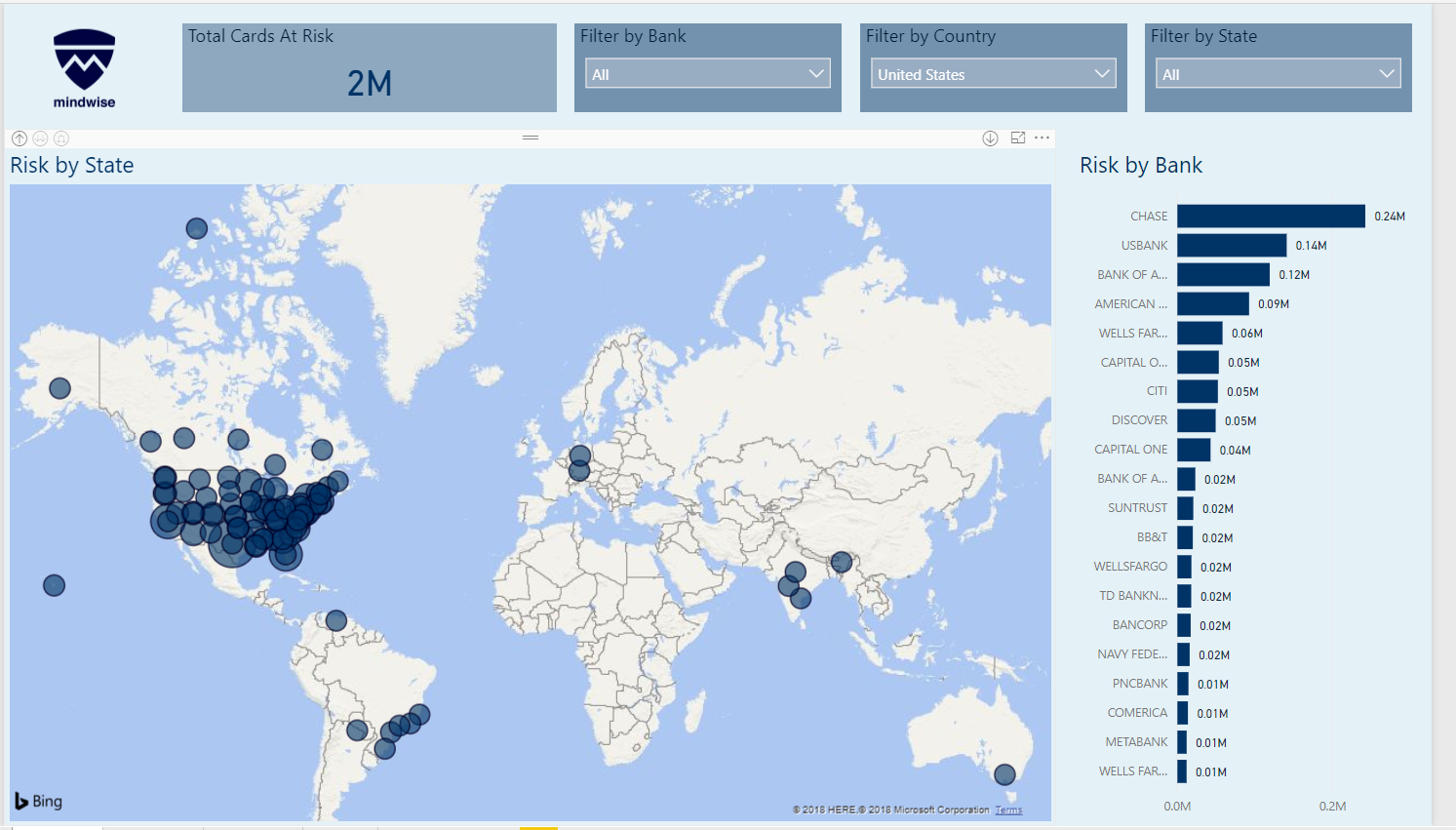
- Global losses: Expected to exceed $40 billion in 2024
- Cost per incident: Average of $4.45 million per data breach
- Recovery time: 280 days average time to identify and contain a breach
- Customer churn: 36% of customers leave after experiencing fraud
Building a Comprehensive Defense Strategy
1. Layered Security Approach
No single security measure can prevent all fraud. Effective protection requires multiple layers:
- Prevention: Strong authentication and verification
- Detection: Real-time monitoring and alerts
- Response: Rapid incident response and recovery
2. Technology Integration
Modern fraud prevention requires integrating multiple technologies:
- Machine learning for pattern recognition
- Behavioral analytics for anomaly detection
- Biometric authentication for identity verification
- Blockchain for transaction integrity
3. Collaboration and Intelligence Sharing
Financial institutions must work together to combat fraud:
- Sharing threat intelligence across institutions
- Participating in industry fraud prevention consortiums
- Collaborating with law enforcement agencies
Regulatory Considerations
Compliance requirements continue to evolve:
- PCI DSS 4.0: New requirements for payment card security
- Strong Customer Authentication (SCA): Enhanced authentication requirements
- GDPR and Privacy Laws: Balancing fraud prevention with privacy protection
- Anti-Money Laundering (AML): Ongoing compliance obligations
Best Practices for 2024
For Financial Institutions:
- Implement real-time fraud detection systems that can identify threats in milliseconds
- Invest in employee training to recognize and respond to fraud attempts
- Regularly update security protocols to address emerging threats
- Maintain incident response plans that can be executed quickly
- Monitor third-party vendors for security vulnerabilities
For Customers:
- Enable multi-factor authentication on all accounts
- Monitor account statements regularly
- Use secure networks for financial transactions
- Be cautious of phishing emails and suspicious links
- Report suspected fraud immediately
The Role of Advanced Analytics
Modern fraud prevention relies heavily on advanced analytics:
- Predictive modeling to identify potential fraud before it occurs
- Network analysis to understand relationships between fraudulent activities
- Time-series analysis to detect unusual transaction patterns
- Graph analytics to identify fraud rings and organized schemes
Conclusion
The payment fraud landscape in 2024 is more complex and dangerous than ever before. Financial institutions must adopt comprehensive, technology-driven approaches to fraud prevention while maintaining the balance between security and customer experience.
Success requires not just the right technology, but also the right processes, people, and partnerships. Institutions that invest in advanced fraud prevention capabilities today will be better positioned to protect their customers and their business tomorrow.
Interested in learning how Mindwise can help protect your institution from these emerging fraud schemes? Schedule a consultation with our fraud prevention experts.