Understanding Real-Time Fraud Detection: Why Milliseconds Matter
Learn how real-time fraud detection systems protect financial institutions and their customers by identifying threats in milliseconds, not minutes.
 Research Team
Understanding Real-Time Fraud Detection: Why Milliseconds Matter
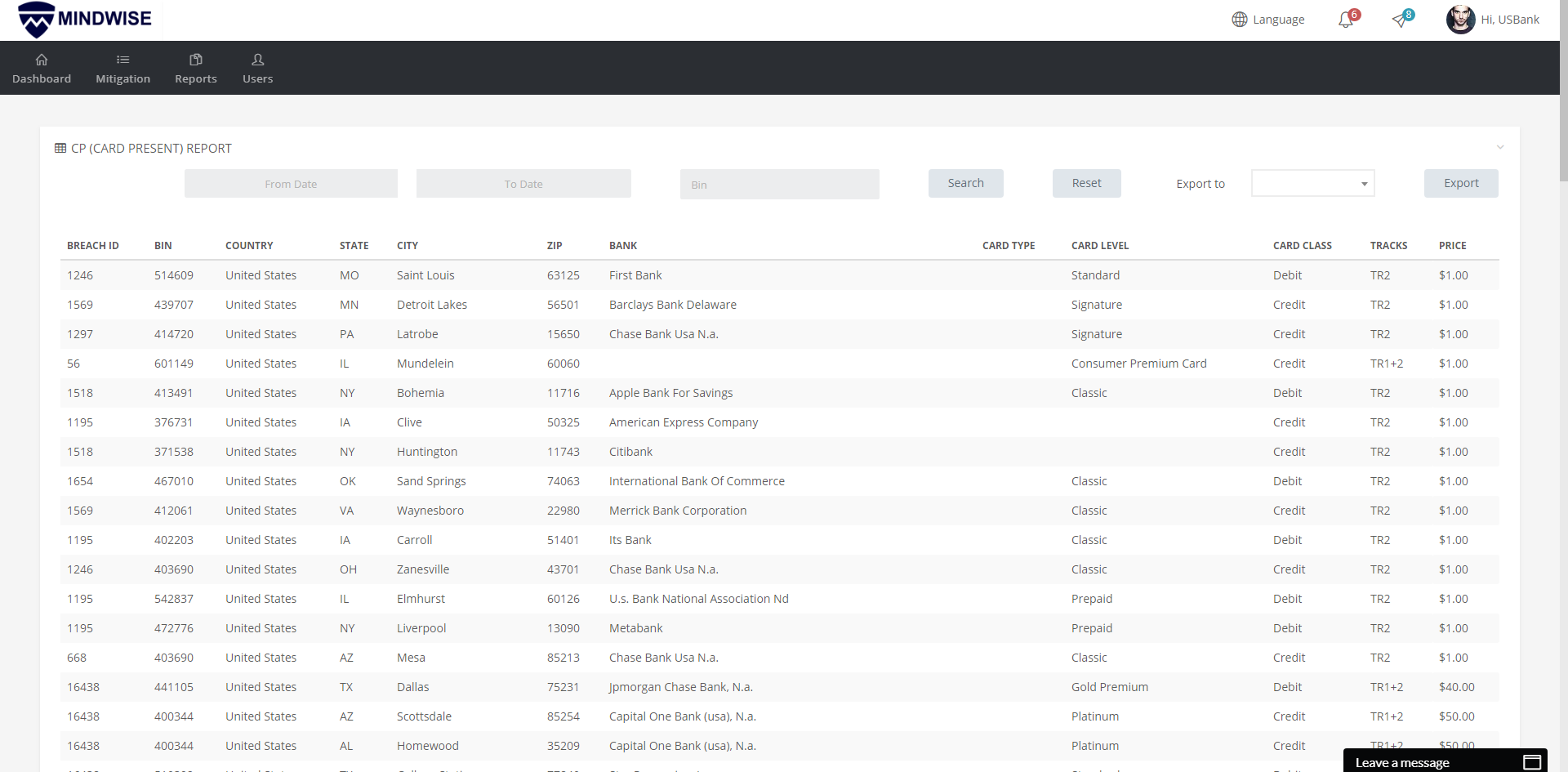
In the fast-paced world of digital payments, fraudsters are constantly evolving their tactics. Traditional fraud detection systems that analyze transactions after the fact are no longer sufficient. Today's financial institutions need real-time fraud detection systems that can identify and prevent fraudulent activities within milliseconds of a transaction attempt.
The Cost of Delayed Detection
When fraud detection happens too late, the consequences are severe:
- Financial Losses: Once a fraudulent transaction is completed, recovery is often impossible
- Customer Trust: Customers expect their financial institutions to protect them proactively
- Regulatory Compliance: Many regulations now require real-time monitoring capabilities
- Brand Reputation: Data breaches and fraud incidents can damage institutional reputation for years
How Real-Time Detection Works
Real-time fraud detection systems operate on several key principles:
1. Event-Driven Architecture
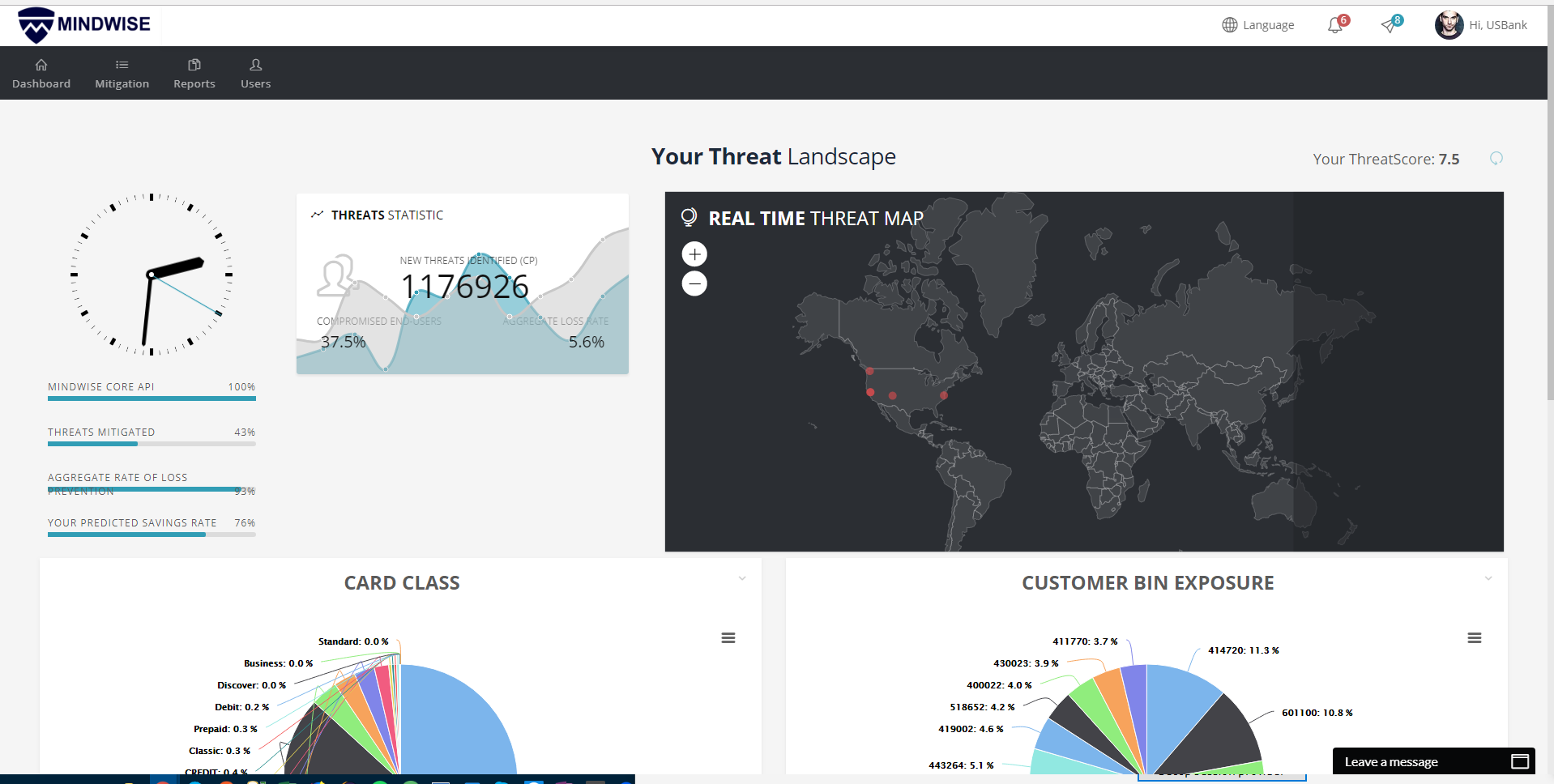
Modern fraud detection platforms use event-driven architectures that process transactions as they occur. Each transaction becomes an event that triggers immediate analysis across multiple detection engines.
2. Machine Learning at Scale
Advanced machine learning algorithms analyze patterns in real-time, comparing each transaction against:
- Historical user behavior
- Geographic patterns
- Device fingerprinting
- Network analysis
- Velocity checks
3. Risk Scoring
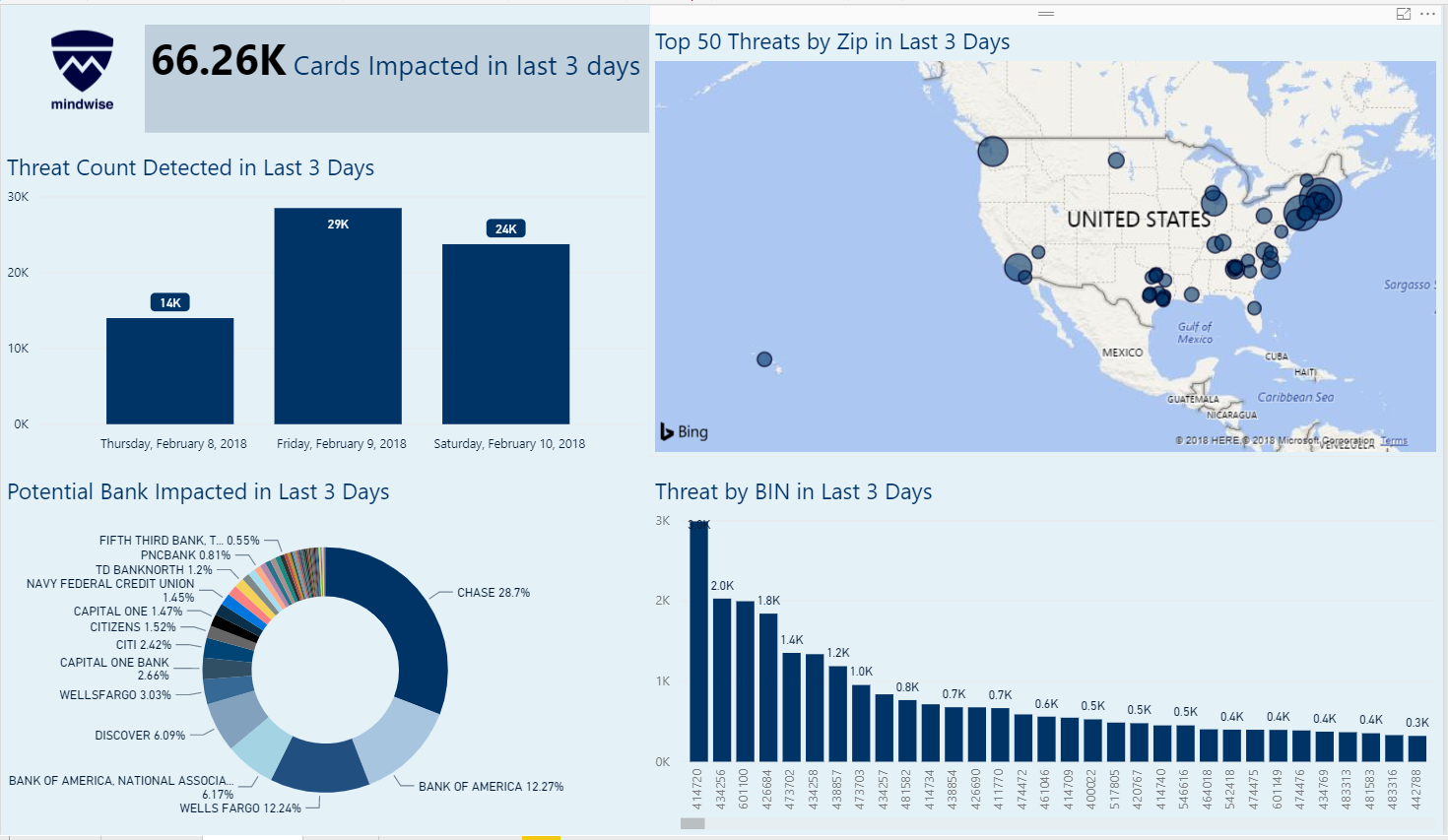
Every transaction receives a risk score within milliseconds, allowing the system to:
- Approve low-risk transactions automatically
- Flag high-risk transactions for review
- Block obviously fraudulent attempts instantly
Key Technologies Behind Real-Time Detection
Stream Processing
Technologies like Apache Kafka and Apache Storm enable processing of millions of transactions per second with sub-second latency.
In-Memory Computing
By keeping critical data in memory rather than on disk, systems can perform complex analyses in microseconds.
Distributed Computing
Cloud-native architectures allow for horizontal scaling to handle peak transaction volumes.
Implementation Challenges
Despite the benefits, implementing real-time fraud detection comes with challenges:
- False Positives: Overly aggressive systems can block legitimate transactions
- Scalability: Systems must handle peak loads without degrading performance
- Integration: New systems must work seamlessly with existing infrastructure
- Compliance: Must meet regulatory requirements while maintaining speed
The Future of Real-Time Fraud Detection
As payment volumes continue to grow and fraud tactics become more sophisticated, real-time detection systems will become even more critical. Future developments include:
- AI-Powered Behavioral Analysis: Understanding normal customer behavior patterns
- Cross-Institution Data Sharing: Collaborative fraud detection across financial networks
- Biometric Integration: Real-time identity verification using biometrics
- Quantum-Resistant Security: Preparing for the next generation of security threats
Conclusion
Real-time fraud detection is no longer a luxury—it's a necessity for any financial institution serious about protecting their customers and their business. The systems that can identify and prevent fraud in milliseconds will be the ones that thrive in the digital economy.
At Mindwise, we've built our platform specifically to address these challenges, providing comprehensive, event-driven fraud prevention that protects your institution and your customers without compromising the user experience.
Ready to learn more about implementing real-time fraud detection for your institution? Contact our team for a personalized demo.